Oscar Portal
Oscar Portal
Oscar Portal
internal analytics platform for the Oscar Grand Stores
internal analytics platform for the Oscar Grand Stores
internal analytics platform for the Oscar Grand Stores

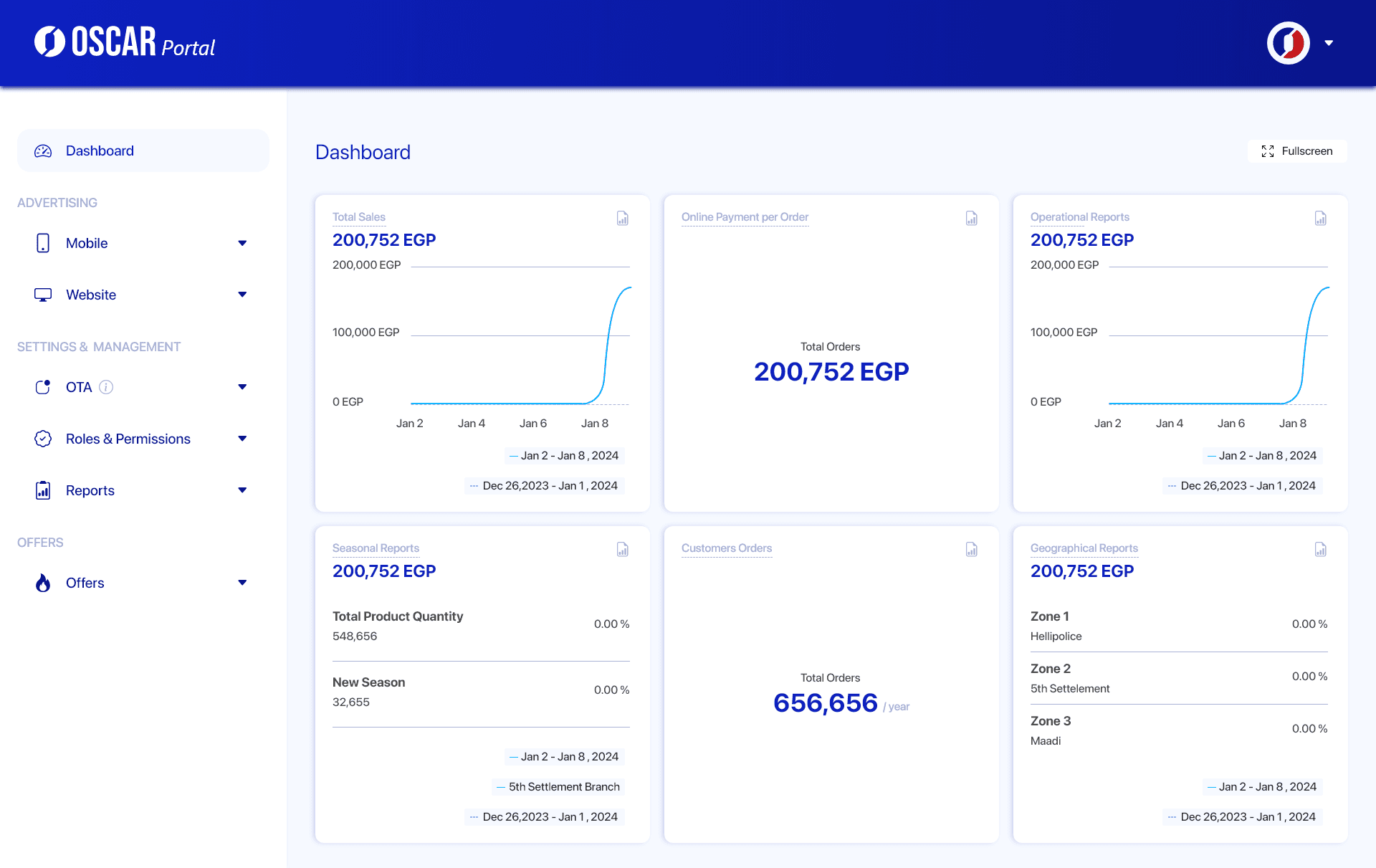
Oscar Dashboard is an internal analytics platform for the Oscar retail chain in Egypt, centralizing operational, sales, inventory, and performance data. It delivers real time insights through clear dashboards, charts, and KPIs, enabling decision makers to monitor business health, identify trends, and act quickly with confidence across teams daily operations.
Oscar Dashboard is an internal analytics platform for the Oscar retail chain in Egypt, centralizing operational, sales, inventory, and performance data. It delivers real time insights through clear dashboards, charts, and KPIs, enabling decision makers to monitor business health, identify trends, and act quickly with confidence across teams daily operations.
Category
Operation
Location
Egypt
Egypt
Year:
2019
2019
Project Overview
Project Overview
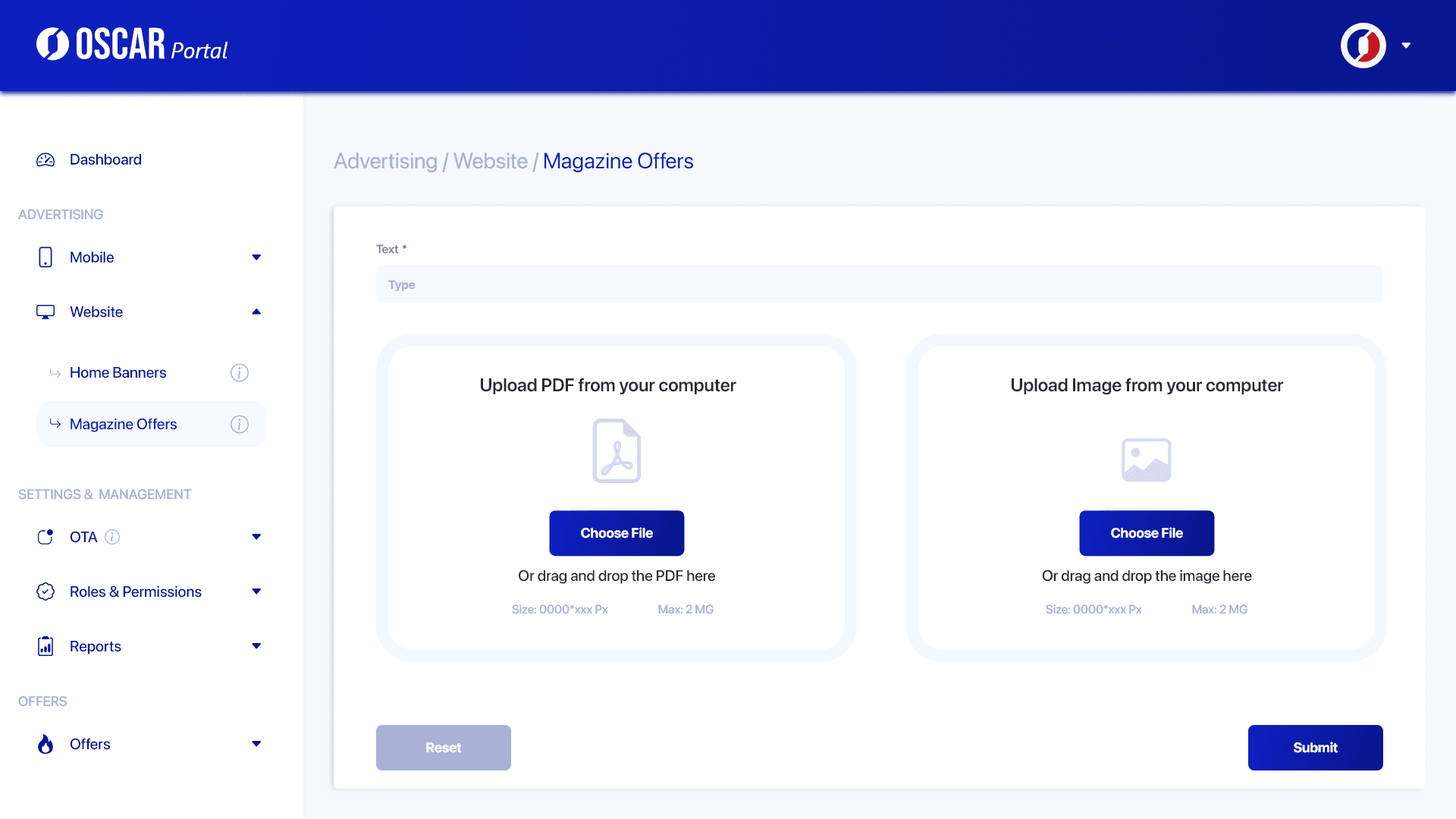
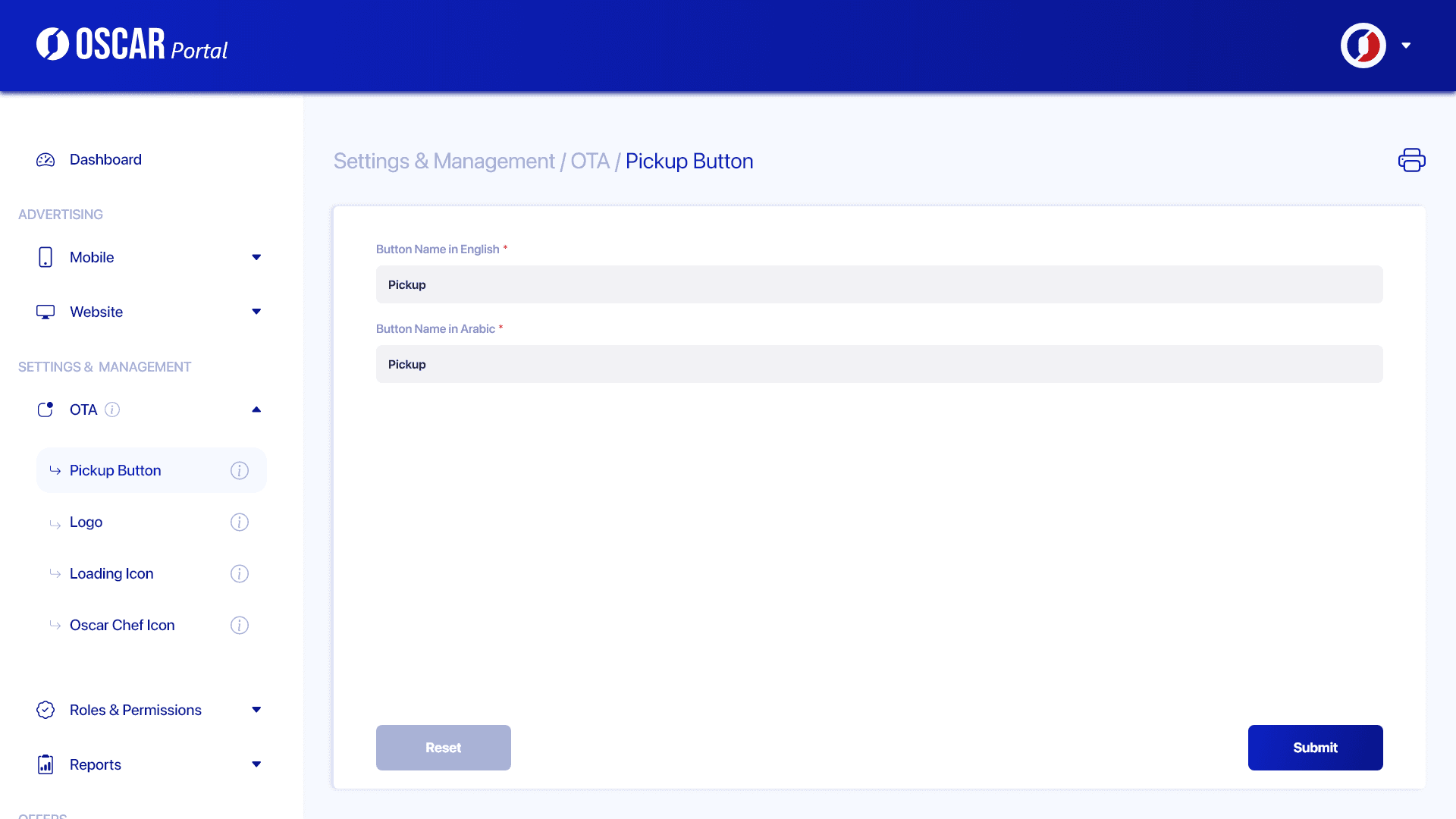
Oscar Dashboard was created to give internal teams a centralized view of critical business data across the Oscar retail chain. The dashboard brings together sales performance, inventory levels, operational metrics, and key indicators into a single, accessible interface. The project focused on transforming complex data into clear, actionable insights that support faster and more confident decision-making. Emphasis was placed on real-time visibility, consistency, and ease of interpretation, ensuring that non-technical stakeholders can understand performance at a glance. My role involved designing the information architecture, data hierarchy, and visual patterns that make large datasets approachable and useful.
Oscar Dashboard was created to give internal teams a centralized view of critical business data across the Oscar retail chain. The dashboard brings together sales performance, inventory levels, operational metrics, and key indicators into a single, accessible interface. The project focused on transforming complex data into clear, actionable insights that support faster and more confident decision-making. Emphasis was placed on real-time visibility, consistency, and ease of interpretation, ensuring that non-technical stakeholders can understand performance at a glance. My role involved designing the information architecture, data hierarchy, and visual patterns that make large datasets approachable and useful.
Our Approach
Our Approach
Our approach centered on understanding how decision-makers consume data and what information is most valuable at different levels of the organization. We worked closely with stakeholders to identify key KPIs, reporting needs, and common pain points in existing tools. Based on this, we designed a modular dashboard structure that supports high-level overviews as well as deeper analysis through filters and drill-downs. Visual hierarchy, consistency, and readability guided every design decision. Iterative prototyping and validation ensured charts, tables, and summaries remained intuitive, accurate, and aligned with real operational workflows.
Our approach centered on understanding how decision-makers consume data and what information is most valuable at different levels of the organization. We worked closely with stakeholders to identify key KPIs, reporting needs, and common pain points in existing tools. Based on this, we designed a modular dashboard structure that supports high-level overviews as well as deeper analysis through filters and drill-downs. Visual hierarchy, consistency, and readability guided every design decision. Iterative prototyping and validation ensured charts, tables, and summaries remained intuitive, accurate, and aligned with real operational workflows.
Key Challenges & Solutions
Key Challenges & Solutions
One of the main challenges was presenting large volumes of data without overwhelming users or obscuring insights. We addressed this by prioritizing KPIs, grouping related metrics, and using progressive disclosure to reveal details only when needed. Another challenge involved supporting users with varying levels of data literacy. This was solved through clear labels, consistent chart types, and straightforward filtering controls. Ensuring real-time performance without sacrificing clarity also influenced design decisions. These solutions resulted in a dashboard that balances depth with usability, enabling confident analysis and informed action.
One of the main challenges was presenting large volumes of data without overwhelming users or obscuring insights. We addressed this by prioritizing KPIs, grouping related metrics, and using progressive disclosure to reveal details only when needed. Another challenge involved supporting users with varying levels of data literacy. This was solved through clear labels, consistent chart types, and straightforward filtering controls. Ensuring real-time performance without sacrificing clarity also influenced design decisions. These solutions resulted in a dashboard that balances depth with usability, enabling confident analysis and informed action.
Target Users & Use Cases
Target Users & Use Cases
Oscar Dashboard serves executives, operations managers, store managers, and analysts responsible for monitoring performance and making strategic decisions. Core use cases include tracking daily and monthly sales, monitoring inventory availability, identifying operational issues, and comparing performance across stores or time periods. Additional scenarios involve reviewing trends, preparing reports, and responding quickly to anomalies. The dashboard is designed to support frequent use by non-technical users, offering a clear, reliable interface that turns complex retail data into practical insights for everyday decision-making.
Oscar Dashboard serves executives, operations managers, store managers, and analysts responsible for monitoring performance and making strategic decisions. Core use cases include tracking daily and monthly sales, monitoring inventory availability, identifying operational issues, and comparing performance across stores or time periods. Additional scenarios involve reviewing trends, preparing reports, and responding quickly to anomalies. The dashboard is designed to support frequent use by non-technical users, offering a clear, reliable interface that turns complex retail data into practical insights for everyday decision-making.
Screens From Project
Screens From Project
Screens From Project
We turn bold ideas into working technology.
With full control over design, development, and deployment, we deliver solutions that perform in the real world and scale with purpose.
We turn bold ideas into working technology.
With full control over design, development, and deployment, we deliver solutions that perform in the real world and scale with purpose.
We turn bold ideas into working technology.
With full control over design, development, and deployment, we deliver solutions that perform in the real world and scale with purpose.